Political Emotions in Times of Crisis: Reflections from the CIDAPE Conference in Florence
© Sarah Helena Schäfer
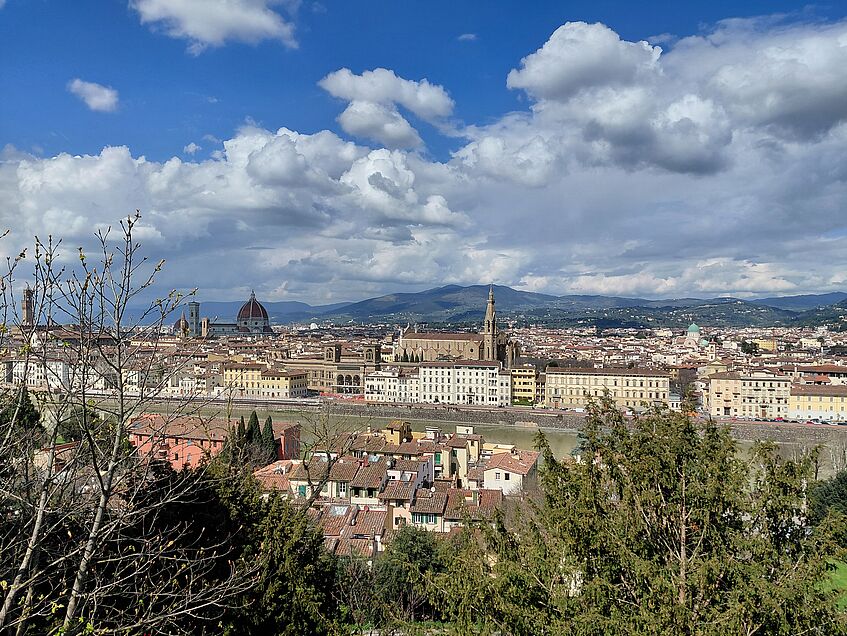
Between 11th and 12th March 2026, scholars from across Europe gathered in Florence for the international CIDAPE conference “Political Emotions in Times of Crisis: Climate, Inequality, and Democracy.” Hosted at the historic Palazzo Strozzi by the Scuola Normale Superiore (SNS), the event brought together researchers working on the emotional dimensions of politics, climate change, and democratic governance. Over two days of intensive discussion, the conference highlighted how emotions shape political imagination, collective action, and public responses to the intertwined crises of climate change and inequality. Organised by our colleagues from SNS, it provided an opportunity to introduce CIDAPE research to a wider academic audience and exchange empirical research, conceptual reflections, and methodological innovations to a rapidly growing field.
© Zita Zeberer
Emotions in Climate Politics and Democratic Engagement
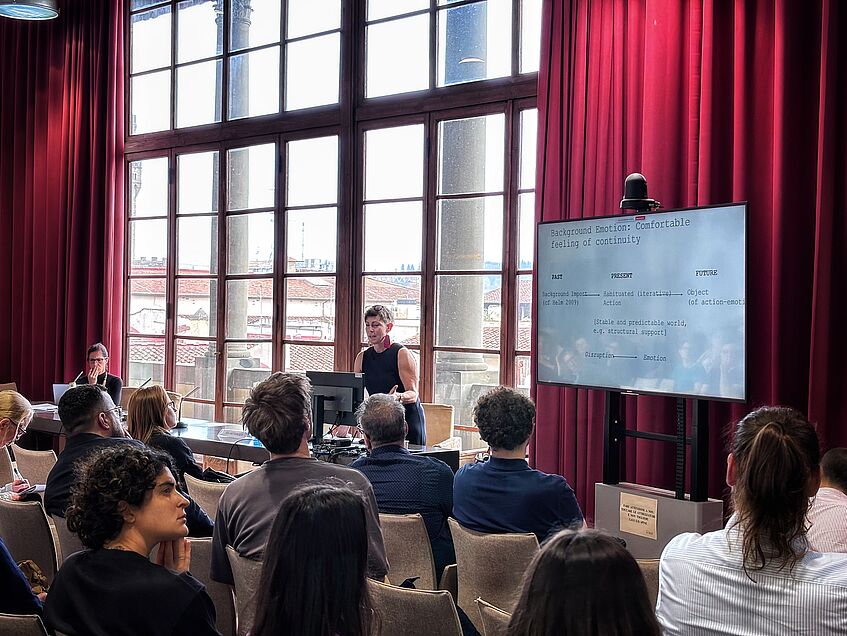
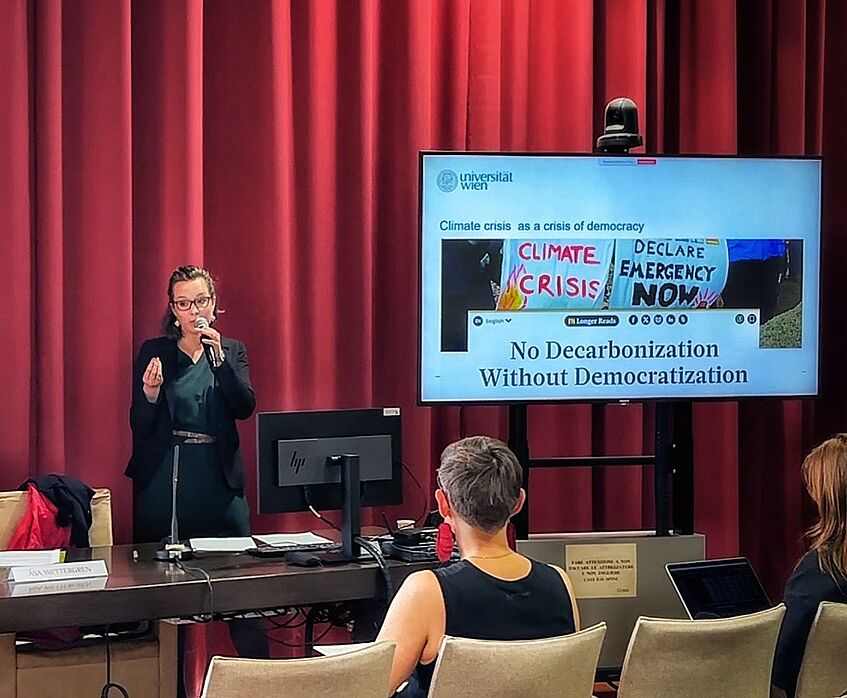
The conference opened on 11 March and the first afternoon featured keynote lectures by climate emotions scholar Åsa Wettergren (University of Gothenburg) with a presentation on “Feeling the End. Intra-apocalyptic Emotive-Cognitive Work and the Temporality of Post-apocalyptic Environmentalism.” Her talk explored how emotions shape the ways individuals and communities imagine environmental collapse and navigate apocalyptic narratives about the future. CIDAPE lead Anna Durnová (University of Vienna) followed with a lecture on “Emotional Infrastructures of Democracy: Vulnerability, Crisis, and the Boundaries of Belonging.” Durnová examined how democratic systems rely on emotional infrastructures that structure belonging, solidarity, and political legitimacy in times of crisis. Both highlighted a central theme of the conference: emotions are not merely private feelings but crucial political forces that shape democratic life and collective responses to climate change.
© Zita Zeberer
The conference program brought together a wide range of panels addressing the emotional dimensions of climate politics. The first day started with papers on far-right politics and climate change, which explored how emotions such as fear, resentment, and denial shape political mobilisation around environmental issues and how climate narratives are strategically deployed within right-wing political discourse. Another panel focused on farmers’ identities and political positionalities in the climate crisis, reflecting on how agricultural communities navigate the complex emotional terrain of environmental policy, economic pressures, and social change. Researchers presented fieldwork-based reflections on the lived experiences of farmers and their evolving relationships with climate governance.
© Sarah Helena Schäfer
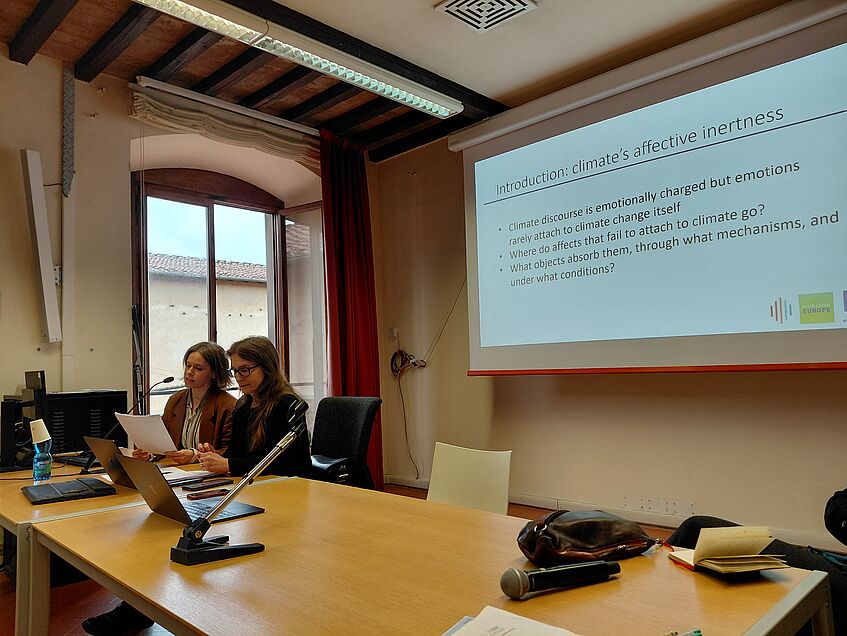
The second day began with a keynote lecture by Luigi Pellizzoni (Scuola Normale Superiore) titled “The Times of Climate Emotions”, addressing the temporal dimensions of climate emotions and how different temporal imaginaries—urgency, delay, anticipation—shape political responses to environmental crisis. The first panels of the day examined the ambiguous emotional responses to climate change, the emotional dynamics of energy transitions, and the role of emotions in policymaking narratives across Europe. Scholars contributed perspectives from sociology, political science, and policy studies, amongst others. Later sessions highlighted how climate emotions circulate through media and social structures by investigating political emotions in social media communication as well as online mobilisation, populist narratives, and the emotional dynamics of digital activism. Others focused on gendered political emotions in the climate crisis, highlighting how emotions such as care, resistance, and vulnerability intersect with gendered power structures. Scholars discussed feminist perspectives on environmental politics addressed climate change as a question of inequality, analysing the moral economies and affective interpretations through which different social groups perceive climate transformation. The final panel sessions explored how emotions can contribute to participatory environmental governance. Scholars discussed how emotional engagement may help reinvigorate democratic participation in environmental policymaking, particularly through deliberative forums, citizen assemblies, and participatory climate initiatives. These discussions resonated strongly with the central theme of the CIDAPE project: understanding the role of political emotions in enabling—or hindering—democratic responses to climate change.
© Edoardo / Giulia Delille / Piermartiri
Visualising Climate Futures through Art
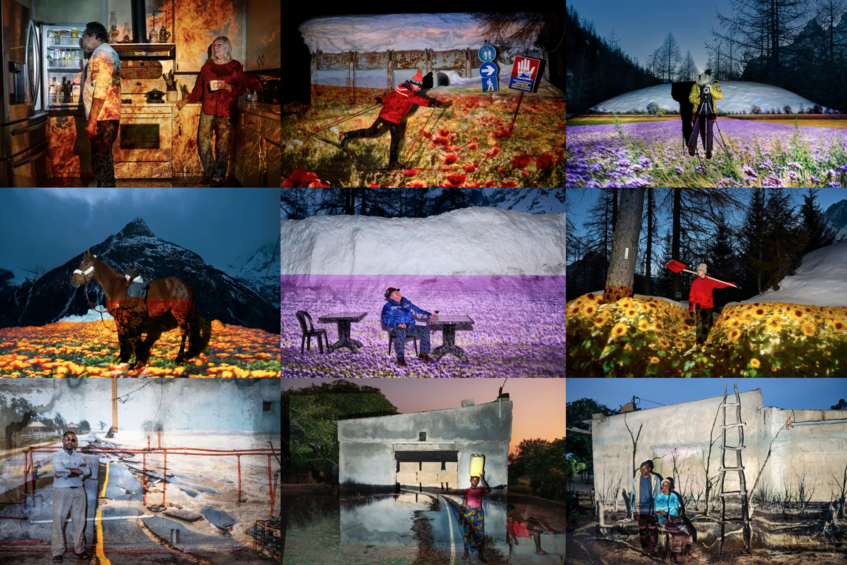
The conference concluded with an interdisciplinary presentation titled “Atlas of the New World: Climate Change Through a Photographer’s Lens.” Photographers Edoardo Delille and Giulia Piermartiri presented an interactive multimedia project that overlays speculative future scenarios onto contemporary landscapes. By combining artistic visualisation with scientific insights, the project highlights the human consequences of climate change, including displacement and climate-induced migration.
As the conference concluded, participants reflected on the importance of building interdisciplinary communities dedicated to studying the emotional dimensions of politics and climate transformation. The crises discussed throughout the conference—climate disruption, democratic fragility, and rising inequality—are profound. Yet the collective energy, intellectual curiosity, and empathy shared over these two days demonstrated the strength of collaborative scholarship in addressing these challenges. Bringing together scholars from diverse disciplines and national contexts, the Florence conference reinforced the growing importance of political emotions as a field of research. The conversations initiated at Palazzo Strozzi will undoubtedly continue within the CIDAPE network and beyond, contributing to a deeper understanding of how emotional dynamics shape the future of democracy in an era of climate transformation.